
2026 Top Resin Insects for Global Wholesale Buyers

The 2026 wholesale market for Resin Insects is becoming more design-led, specification-driven, and internationally competitive. Buyers now compare more than appearance. They examine mold consistency, color stability, surface bubbles, packaging strength, and repeat-order reliability. A beetle with metallic wings may look impressive in a sample, yet uneven antennae can expose weak production control.

Market evidence supports careful selection. Circana’s global toy industry reporting tracks continuing demand for collectibles, licensed products, and small-format novelty items. These trends are relevant to resin insects sold as display pieces, educational models, craft supplies, or gift-shop merchandise. However, Resin Insects are not usually separated into one clear trade category. UN Comtrade data therefore cannot provide a precise global sales figure for this niche. That limitation matters. Broad market estimates should not be treated as exact product demand.

Sustainability is also shaping buyer decisions. The OECD’s Global Plastics Outlook reported that only about 9% of plastic waste was recycled globally in 2019. Resin products require more responsible material planning, including durable designs, reduced packaging, and clear disposal information. Buyers should request samples, material declarations, safety documentation, carton tests, and production photographs before approving large quantities. Small details matter. A crushed wing can create expensive returns.

This guide reviews leading Resin Insects for global wholesale buyers in 2026. It considers visual appeal, production consistency, buyer application, packaging practicality, and supplier communication. Some rankings remain subjective. That is unavoidable. Actual performance may change with factory batches, order volumes, and regional customer preferences.
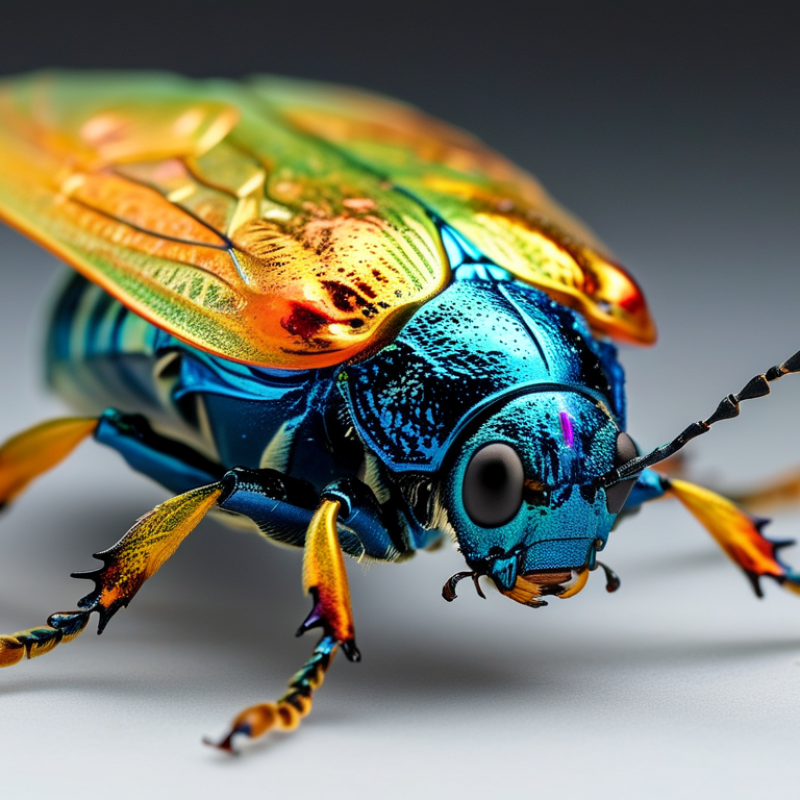
2026 Top Resin Insects for Global Wholesale Buyers

What Resin Insects Are and Why Global Buyers Choose Them

2026 Top Resin Insects for Global Wholesale Buyers

Resin insects are decorative insect forms preserved inside transparent synthetic resin. They may show beetles, butterflies, cicadas, or small dragonflies. Makers arrange each specimen before casting, creating a stable display with visible wings, legs, and body textures. Unlike natural amber, resin allows controlled size, color, and placement.

Global buyers choose them for three practical reasons: repeatable production, lower fragility, and broad retail appeal. Clear wings can catch light inside a display case. Small pieces fit gift shops, museum-style stores, classrooms, and home décor collections. Industry data supports the material’s wider supply base. Grand View Research estimated the global epoxy resin market at about US$8.1 billion in 2023. Fortune Business Insights reported a higher estimate of US$12.15 billion for the same year. Their different scopes require caution, but both indicate strong resin demand. Material growth does not guarantee insect-product quality.

Buyers should request sample photos, resin specifications, dimensions, packaging tests, and defect rates. Check whether wings remain aligned after curing. Ask for protection against yellowing and surface scratches. Some products look overly glossy or visually artificial. That can reduce perceived value. Honest sampling matters.

Tips: Order a small trial batch. Compare clarity, odor, bubbles, edge finishing, and carton strength. Keep product claims factual and documented.

Key Resin Insect Types for Wholesale Markets in 2026

In 2026, wholesale buyers are focusing on resin insect types that combine visual detail with dependable production. Beetles remain strong sellers because their curved shells, metallic colors, and compact sizes suit gift shops and educational displays. Butterflies and moths offer broader appeal, especially when wing patterns are sharply printed and protected under clear resin.

Dragonflies are another practical choice for wholesale markets. Their thin wings create an attractive layered effect, but weak edges can cause damage during transport. Bees and ants work well in classroom sets, nature-themed décor, and small retail collections. Buyers should check whether each piece has smooth surfaces, stable colors, and consistent proportions across cartons.

From handling sample assortments, I have found that clarity matters more than excessive decoration. Dust marks, cloudy sections, or uneven bases become obvious under store lighting. Ask suppliers for production samples, carton photos, and basic material information before placing large orders. Safety documentation should be available for intended markets, especially when products may be handled by children.

Small flaws matter.

I still see buyers judging only by photographs. That approach can fail. Resin may look excellent online but feel too light or brittle in person. Repeated mold use can also reduce fine details. A careful inspection of antennae, legs, wing edges, and packaging protection helps reveal these weaknesses before wholesale delivery.

2026 Top Resin Insects for Global Wholesale Buyers

Key resin insect types ranked by a composite wholesale suitability index based on visual appeal, durability, product variety, supply practicality, and shipping convenience.

Butterflies and beetles lead the index because they offer strong visual contrast, broad decorative appeal, and multiple size options. Dragonflies and cicadas are suitable for lightweight educational and gift products, while moths and other preserved insects can support niche collections and seasonal assortments. The index is a planning reference rather than a measure of company sales or market share.

How Resin Insects Are Made, Finished, and Quality-Checked

2026 Top Resin Insects for Global Wholesale Buyers

Resin insects begin with a detailed mold, often shaped from a hand-carved model or digital prototype. Workers mix measured resin components in a clean, controlled area. The ratio matters. Too much hardener can create brittleness, while poor mixing leaves soft patches. Vacuum degassing removes many bubbles before the resin enters the mold. It does not remove every defect.

After curing, each piece is trimmed, sanded, and inspected under bright, neutral lighting. Fine paint is applied in thin layers to define wings, legs, shells, and natural color variations. A protective coating can improve surface durability and appearance. However, excessive coating may hide details or create an uneven gloss. Experienced finishers check the surface from several angles.

Quality control should include dimensions, weight, color consistency, edge safety, and visible bubbles. A magnifier helps reveal cracks around delicate legs and antennae. Samples can also receive adhesion and handling checks before bulk production. Wholesale buyers should request tolerance records, inspection photos, and packaging samples. Small differences are normal in handcrafted items, but unexplained differences deserve review. A perfect-looking sample may still fail if packing causes scratches during transport. Careful documentation remains essential, especially when specifications differ by destination.

Wholesale Selection Criteria: Design, Safety, Packaging, and Pricing

2026 Top Resin Insects for Global Wholesale Buyers

Wholesale Selection Criteria: Design, Safety, Packaging, and Pricing

Design quality

Design quality should begin with accurate insect forms, clean wing edges, and stable colors. Buyers should inspect antennae, legs, and surface details under strong light. Small defects become obvious in retail displays. Collections with several sizes and natural poses usually support better merchandising. Educational cards can add value, but inaccurate species information may damage buyer trust. Details matter.

Safety

Safety requires more than a general material statement. Request resin composition data, coating information, and recent test reports from qualified laboratories. Check for sharp points, loose parts, strong odors, and color transfer after rubbing. Products for children need stricter age guidance and market-specific documentation. Local requirements differ, so one certificate cannot cover every destination. Test the sample.

Packaging

Packaging should protect thin legs and raised wings during long-distance transport. Individual compartments, soft inserts, and moisture-resistant cartons can reduce breakage. Ask suppliers for drop-test results and clear carton dimensions. Photographing packed samples may reveal pressure points before shipment. A lower unit price is meaningless when replacement costs rise.

Pricing

Pricing should include sampling, tooling, inspection, freight, import charges, and expected defect rates. Compare total landed cost, not only the factory quotation. Confirm minimum order quantities, payment terms, lead times, and replacement procedures in writing. No checklist is perfect. Recheck samples before mass production, because an attractive prototype may change during scaling.

Global Sourcing, Customization, and Import Considerations

For global wholesale buyers, resin insects are small products with complex sourcing needs. Grand View Research valued the global epoxy resin market at about USD 7.4 billion in 2023. It forecasts continued growth through 2030. This figure reflects material demand, not insect figurines. Still, it signals a broad supply base. Request resin type, density, curing method, and test records. Ask for production photos. Details matter.

Customization begins with a controlled sample, not a polished digital rendering. Define dimensions, antenna thickness, color references, gloss level, packaging, and acceptable air bubbles. Small wings can break during carton handling. Use a pilot order before full production. A sample can still mislead. Confirm mold fees, minimum quantities, lead times, and replacement terms in writing. Some buyers focus too heavily on appearance and overlook carton strength.

Import planning requires accurate classification. Under the World Customs Organization’s Harmonized System, plastic ornamental articles commonly fall under HS 3926.40. Classification can depend on material and use. Verify the code with the destination customs authority. UNCTAD’s Review of Maritime Transport 2024 reported 2.4% growth in seaborne trade during 2023, while disruptions continued affecting routes and schedules. Prepare invoices, packing lists, origin details, material declarations, and product images. Check labeling, chemical-content, and packaging-waste rules. Requirements change. Build a compliance buffer.

2026 Top Resin Insects for Global Wholesale Buyers - Global Sourcing, Customization, and Import Considerations
Resin Insect Category Common Product Formats Typical Finished Size Typical Wholesale Weight Customization Options Indicative Wholesale Packaging Key Sourcing Considerations Import and Compliance Considerations
Butterfly Clear resin blocks, paperweights, desk ornaments, educational specimens 35–80 mm long; blocks commonly 50–100 mm Approximately 40–180 g, depending on block thickness Transparent, tinted, or colored resin; embedded labels; logo-free gift packaging; custom block dimensions Individual protective box with foam or molded insert; 24–60 pieces per export carton Check wing alignment, resin clarity, bubble level, surface polishing, and consistency of specimen placement. Use only legally sourced, non-protected specimens or realistic replicas. Product classification may differ between resin ornaments and educational articles.
Beetle Cabinet-style displays, resin domes, keychains, paperweights, teaching aids 20–70 mm body length; displays commonly 40–90 mm Approximately 25–140 g Metallic color effects, custom backing cards, transparent dome shapes, hanging holes, private-label cartons Each item sealed in a polybag or box; dividers recommended for domes and polished surfaces Metallic pigments can vary between batches. Request a color standard, sample approval, and abrasion testing before mass production. Confirm whether the product is treated as a plastic ornamental article, educational model, or other category under the destination customs rules.
Dragonfly Decorative paperweights, bookends, magnets, jewelry-style ornaments 45–100 mm overall length Approximately 20–120 g Wing tinting, embedded decorative flakes, custom colors, magnet or keychain attachment, display-card design Small items: 100–300 pieces per carton; larger blocks: 24–60 pieces per carton Inspect wing symmetry, sharp edges, attachment strength, and resistance to yellowing under normal indoor light. Magnets may trigger additional transport or carrier documentation requirements. Packaging must prevent wing breakage and surface scratching.
Praying Mantis Realistic figurines, educational models, desktop décor, collector displays 50–130 mm long Approximately 45–220 g Pose changes, scale changes, matte or gloss finish, custom base, color matching, educational information card One piece per fitted inner box; commonly 12–48 pieces per export carton Long legs and antennae require reinforced packaging. Confirm dimensional tolerances and the strength of thin resin sections. Clearly describe the item as a manufactured resin model when applicable. Avoid designs that could be confused with live biological products.
Bee Small figurines, paperweights, fridge magnets, educational displays, seasonal décor 20–55 mm long Approximately 15–90 g Striped color variations, custom base text, magnet insertion, gift-box artwork, assorted-color sets Sets of 4–12 pieces are common; use compartment trays for small parts and accessories Check color separation, antenna integrity, odor after curing, and the adhesion of magnets or metal fittings. Packaging should avoid loose small parts where children may access them. Children’s products may require additional testing in the destination market.
Scarab Decorative plaques, collectible ornaments, paperweights, museum-style replicas 30–75 mm long; plaques commonly 60–120 mm Approximately 35–200 g Metallic or stone-effect finishes, engraved text, custom plaque shape, color assortment, display stand Individual box or foam pouch; heavy plaques should use reinforced corrugated cartons Metal-effect coatings and engraved details should be checked for uniformity, adhesion, and resistance to handling. Do not use protected cultural symbols or copyrighted artwork without authorization. Customs descriptions should accurately state material and use.
Spider Realistic miniatures, educational models, Halloween décor, novelty ornaments 35–100 mm body span Approximately 25–150 g Leg position, color pattern, glow or metallic effects, seasonal packaging, custom stand or hanging loop Individual cavity tray or small carton; 24–96 pieces per carton depending on size Confirm leg flexibility, joint strength, paint or pigment adhesion, and the absence of sharp protruding edges. Seasonal goods should be ordered early to allow testing and peak-season shipping. Children’s-use claims may create additional compliance obligations.
Cicada Educational specimens, nature-themed ornaments, clear resin blocks, collectible displays 35–75 mm long; blocks commonly 50–90 mm Approximately 45–160 g Clear or amber resin, information card, custom block size, engraved date or text, display stand Protective individual box with corner padding; 24–60 pieces per carton Request close-up photos of wing veins, body positioning, resin transparency, and curing consistency before approval. Biological specimens may be subject to wildlife, sanitary, or protected-species rules. Synthetic replicas generally have different documentation requirements.
Ant Miniature figurines, educational sets, desk décor, themed dioramas 10–35 mm long Approximately 8–60 g Multi-color sets, scale variations, custom diorama bases, educational labels, assorted poses Compartment tray or sealed blister-style inner pack; 48–240 pieces per carton Small details can be difficult to reproduce consistently. Check mold definition, leg attachment, and minimum order quantity for assorted colors. Small components may be subject to toy or children’s-product rules if marketed for play. Ensure packaging warnings match the destination market.
Grasshopper Natural-history models, desk ornaments, educational displays, diorama accessories 45–100 mm long Approximately 30–170 g Pose adjustment, transparent wings, custom color scheme, educational card, base engraving Individual fitted insert; 24–72 pieces per carton depending on leg and wing design Inspect thin legs, wing edges, base stability, and packaging compression resistance during carton testing. Describe the product accurately as a manufactured resin item where applicable. Country-of-origin marking and material declarations may be required.

Data ranges are typical planning references for wholesale sourcing rather than fixed specifications. Final dimensions, weight, minimum order quantity, packaging, tariff classification, labeling, testing, and import documentation should be confirmed with the selected manufacturer, customs broker, carrier, and destination-country authorities.

Article Source:

Contact Us