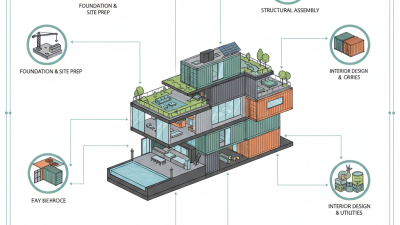
Container dorms are emerging as a sustainable solution for student living. The demand for affordable housing is skyrocketing. According to a recent report by the National Association of Student Housing, nearly 40% of students struggle to find suitable accommodation. This challenge drives the need for innovative approaches.
Container dorms offer a unique blend of affordability and functionality. Made from repurposed shipping containers, these structures are eco-friendly. They provide students with an option that is often 30-50% less expensive than traditional dormitories. The compact design allows for efficient use of space, making them ideal for urban areas.
However, challenges remain. Some container dorms lack adequate insulation and ventilation. These issues can affect comfort and livability. Reflecting on these points is crucial. Addressing the shortcomings will be vital for the long-term success of container dorms in the housing market. As we explore this topic, it is essential to consider both the benefits and the drawbacks.
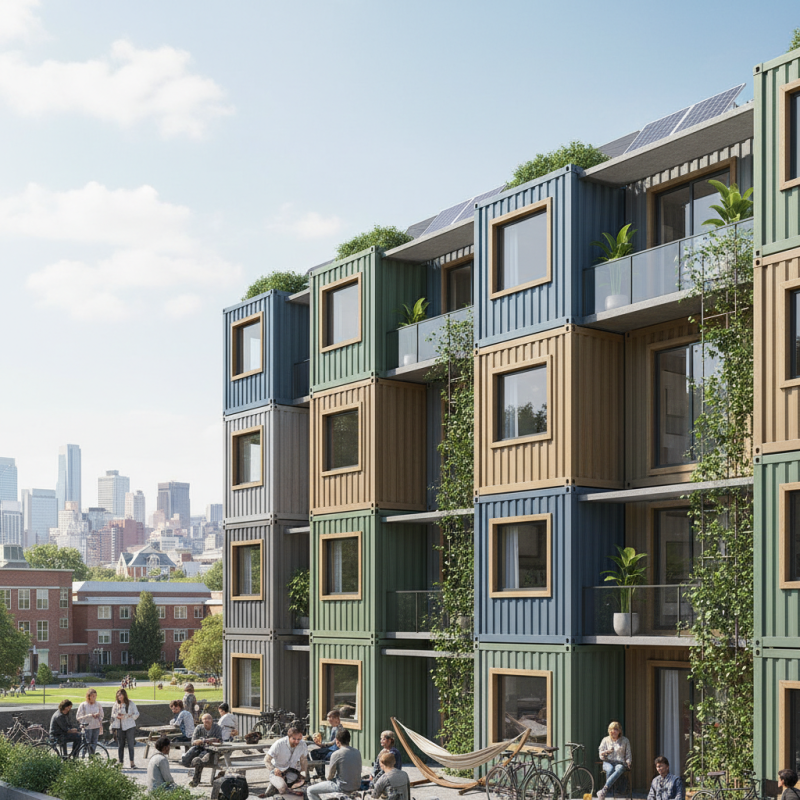
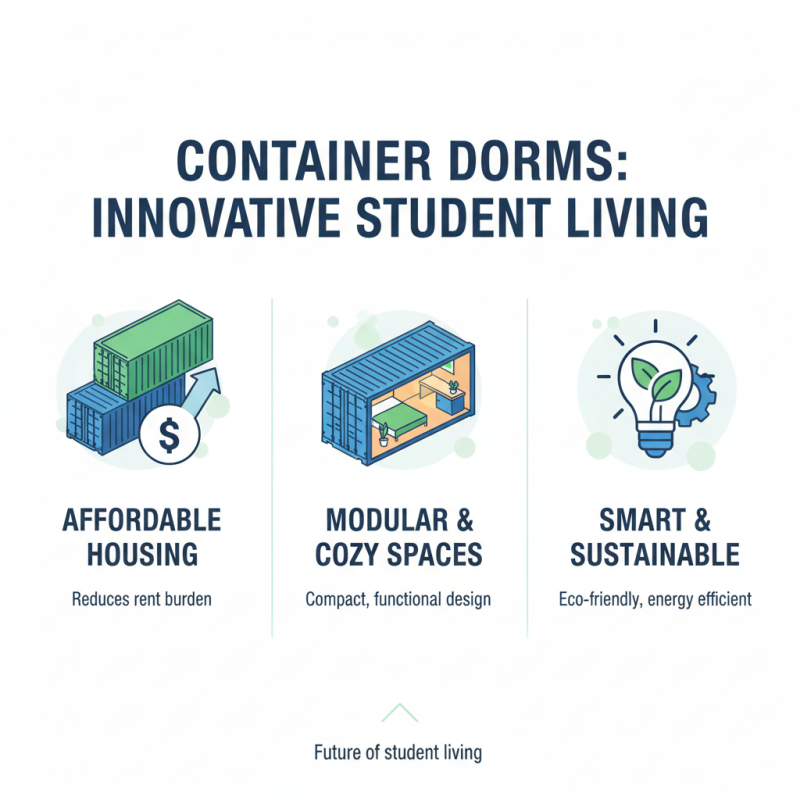
Container dorms have become an innovative solution for student living. These modular units offer unique benefits. They provide affordable housing options for students facing rising rents. Each container can be transformed into a cozy living space. With smart designs, they maximize comfort and functionality.
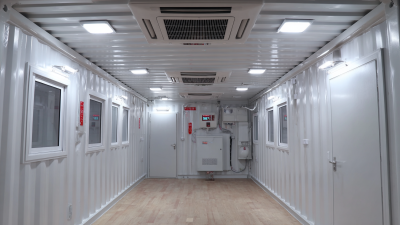
One exciting aspect of container dorms is their portability. The units can be easily relocated to meet changing demands. This flexibility allows institutions to adapt to shifts in student populations. However, not all container dorms are the same. Some may lack adequate insulation or proper ventilation. This can create discomfort during extreme weather conditions.
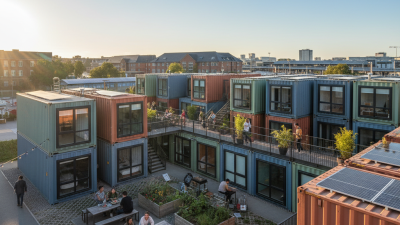
Another key benefit is sustainability. Recycling old shipping containers reduces waste and promotes eco-friendly living. Many container dorms are designed with energy efficiency in mind. They often feature solar panels and green roofs. Despite these advantages, challenges remain. Students may feel cramped compared to traditional dorms. It’s essential to find a balance between affordability and adequate living space.
Container housing is becoming popular among students. It offers a unique solution to the rising costs of traditional accommodations. These units are often more affordable and environmentally friendly than standard apartments. The trend reflects a shift toward sustainable living.
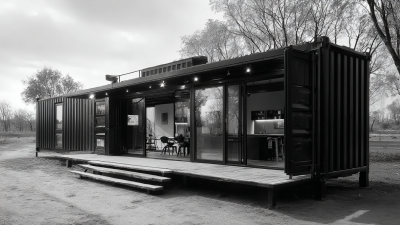
Living in a container dorm has its challenges. Space can be limited, making organization crucial. Consider multifunctional furniture to optimize your area. Personalizing your space is key to making it feel like home. Add plants or artwork to create a welcoming atmosphere.
Tips for choosing container housing include researching the location. Proximity to campus can save on transportation costs. Look for essential amenities like internet access and laundry facilities. Consider the community around the containers; a supportive environment enhances your living experience. Evaluate the layout and natural light in each container; this can impact your mood and productivity.
This chart illustrates the average monthly rent of different types of student accommodation, highlighting the affordability of container dorms compared to traditional housing options. The trend shows a preference for cost-effective solutions in student living due to rising education costs.
The cost of housing continues to rise, pushing students to seek new living solutions. Container dorms offer a unique alternative to traditional housing. They are often more affordable than standard apartments. A well-designed container can house multiple students, reducing living costs significantly.
When comparing expenses, container dorms usually outperform traditional residences. They have lower construction costs and quicker build times. This efficiency can translate into reduced rental prices for students. However, some students may find these spaces less spacious and less private. Noise levels can also be higher, which is not ideal for studying.
There are trade-offs to consider. Container dorms may lack some amenities present in classic housing. Some students might miss the sense of community in traditional dorms. Yet, the need for affordable housing remains pressing. Container living is a viable solution, but it’s not for everyone. Reflection on needs and preferences is vital before choosing this unconventional route.
Container dorms are gaining attention for their innovative design and sustainability. These structures use upcycled shipping containers, reducing waste in landfills. A 2021 report by the Environmental Protection Agency noted that construction and demolition debris accounted for about 25% of the total waste stream. Container dorms can help alleviate this issue.
Energy efficiency is a key advantage of container dorms. Well-insulated designs can significantly lower heating and cooling costs. According to the U.S. Department of Energy, buildings account for nearly 40% of total energy consumption. Container dorms can address this with smart energy solutions like solar panels.
Tips for enhancing energy efficiency include:
Reflecting on the environmental impact, though, container dorms are not without challenges. The production of containers and their modification can generate some emissions. Careful planning is essential to minimize this. Balancing innovation and sustainability requires ongoing evaluation and adjustment in practices.
The demand for container housing is rising among urban student populations. These structures offer unique, budget-friendly solutions. Students often face skyrocketing rents. Container dorms can help bridge this gap.
Living in a container dorm can be an exciting experience. The designs are flexible and functional. Students have the freedom to personalize their spaces. However, some may feel cramped. It’s important to maximize every inch. Use multifunctional furniture to create an inviting area.
**Tips:** Consider incorporating bright colors in your decor. This can make a small space feel larger. Another helpful idea is to use vertical storage solutions. They save space and keep your area organized. Remember, it’s all about finding a balance between style and practicality. Container living might feel unconventional, but it presents an innovative approach to student housing.
| City | Average Rent ($) | Container Size (sq ft) | Amenities | Occupancy Rate (%) |
|---|---|---|---|---|
| New York | 1,200 | 160 | Wi-Fi, Kitchen, Shared Lounge | 85 |
| Los Angeles | 950 | 180 | Gym, Study Room, Rooftop | 75 |
| Chicago | 800 | 140 | Laundry, Game Room | 65 |
| Seattle | 1,100 | 150 | Pet-Friendly, Garden | 80 |
| Austin | 700 | 160 | Pool, BBQ Area | 90 |