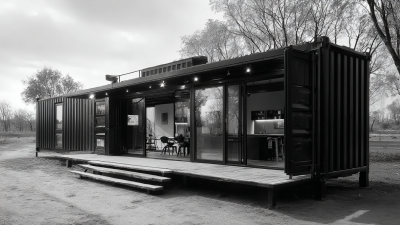
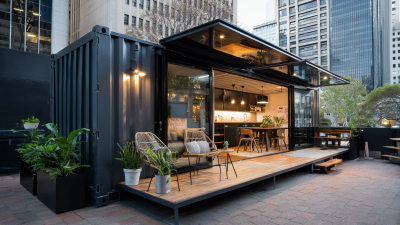
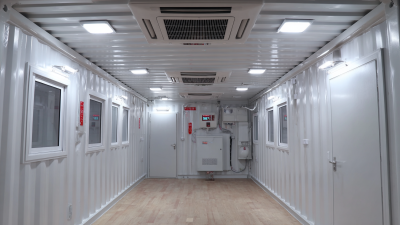
In recent years, the concept of living in converted containers has gained traction. Experts like architect Mark Smith emphasize the appeal of this trend: "Converted containers offer a unique solution to sustainable living challenges." The rising costs of traditional housing make converted containers tempting alternatives.
These structures are often budget-friendly and environmentally friendly. They allow individuals to rethink the idea of home. Many opt for minimalism, but this lifestyle change doesn't come easy. For instance, space may feel cramped, and storage becomes a challenge. One might struggle with making a converted container truly feel like a home.
Moreover, the aesthetic appeal of converted containers can vary greatly. Some people find beauty in their industrial look, while others find it uninviting. It's essential to balance sustainability and comfort. These realities prompt a reflection on what home truly means in a world of mounting environmental concerns.

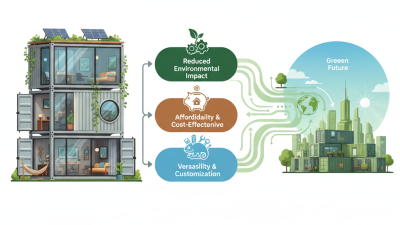
Converted containers offer an innovative solution for sustainable living. They repurpose materials that might otherwise go to waste. This creative approach minimizes the need for new resources, addressing concerns about environmental impact. Each container can be transformed into unique homes or offices, showcasing individuality while maintaining eco-friendliness.
These spaces can be energy-efficient, depending on how they’re designed. Installing solar panels or using recycled insulation can improve their viability. However, some may struggle with zoning laws and permits. Finding suitable land that allows container living can be challenging. Additionally, the structural integrity of each container must be assessed. Insufficient modifications can lead to safety issues.
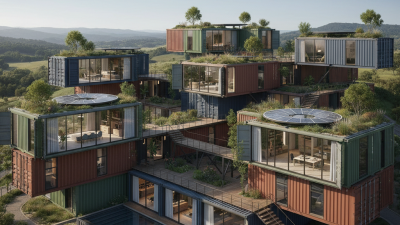
Living in converted containers can foster community interaction. Many owners find themselves in clusters, sharing resources and ideas. Yet, this communal living requires compromise and cooperation. Not everyone is ready to embrace such closeness. Overall, while container living presents exciting opportunities, it requires forethought and creativity to fully realize its potential.
Converted containers are gaining attention as an alternative to traditional homes. These structures provide a unique approach to sustainable living. One of the main advantages is cost-effectiveness. Utilizing shipping containers can significantly reduce housing costs. Building with these containers often requires less material and labor than traditional methods.
The affordability of container homes is appealing. They are often quicker to construct. A simple design can be achieved with a smaller budget. However, it’s essential to consider the initial investment. Not all converted containers are cheap. Some may require extensive renovations, which can add to costs. Inspecting the condition of the container before purchase is crucial.
Sustainability is another factor. Containers are repurposed materials, reducing waste. This approach minimizes environmental impact, but challenges remain. Insulation is often needed to regulate temperatures effectively. Without proper treatment, containers can become very hot or cold. Thus, these homes are not always perfect. Finding the right balance between cost and quality can be tricky.
Designing your converted container begins with understanding its limitations. These structures often come with narrow spaces. You may need to compromise on certain amenities. Consider multifunctional furniture to save space. A foldable table can serve as a dining area and a workspace. Stackable chairs or a bench with storage can maximize seating without cluttering the area.
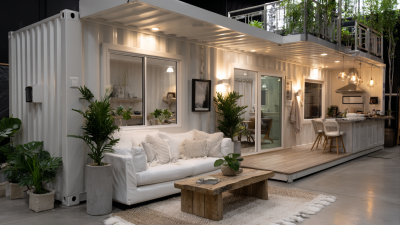
Natural light plays a crucial role in making a small space feel larger. Large windows or skylights can create an open atmosphere. Don’t overlook insulation; proper insulation can help regulate temperature effectively. Using lighter colors for walls can brighten the interior. Plants can add life but remember to choose low-maintenance varieties for practicality.
Reflect on your lifestyle choices, too. Will you really use that bulky couch? Sometimes it’s better to opt for simplicity. Prioritize your needs over trends. Each design element should have a purpose, avoiding unnecessary fluff. This approach can lead to a more sustainable and affordable living experience, yet it requires conscious decision-making every step of the way. Embrace the process, but don’t fear imperfections. Each challenge offers a chance for creative solutions.
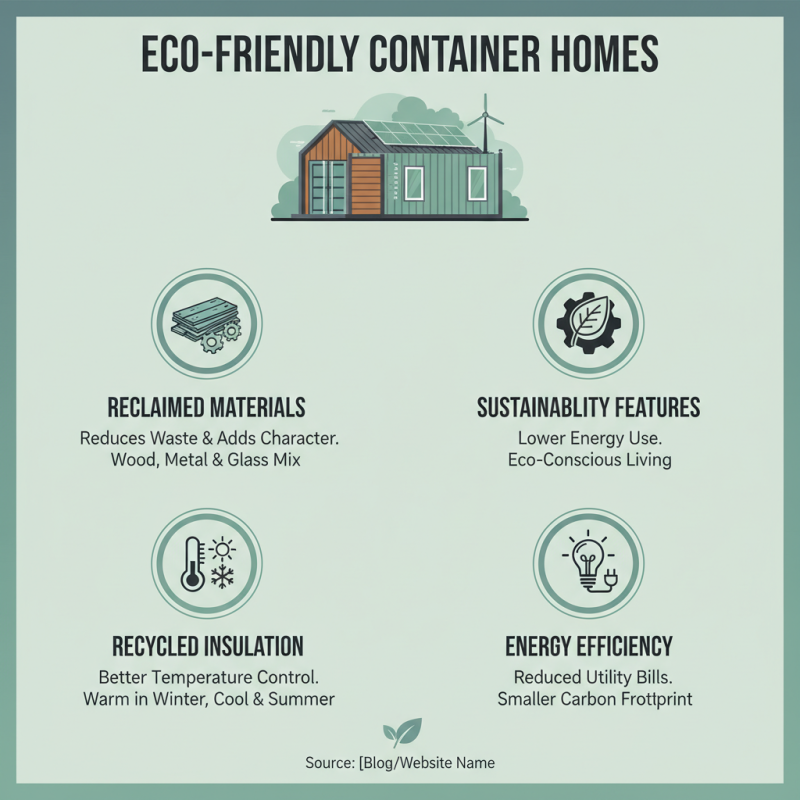
When designing a container home, consider eco-friendly features that enhance sustainability. Using reclaimed materials not only reduces waste but also gives character to your space. A mix of wood, metal, and glass creates a unique aesthetic. Choose recycled insulation for better temperature control. You’ll stay warm in winter and cool in summer with less energy use.
Integrating solar panels can drastically lower energy costs. They may require an initial investment, but the long-term savings are significant. Rainwater harvesting systems are another practical feature. Collecting rainwater helps in irrigation and reduces your water bill. You might face challenges with maintenance, but the benefits outweigh them.
In your kitchen, opt for energy-efficient appliances. They consume less electricity and promote a greener lifestyle. Using low-VOC paints ensures better indoor air quality. It’s not just about aesthetics; health matters too. Reflecting on these choices can lead to a more sustainable, affordable living environment. Every little decision counts towards a greener future.
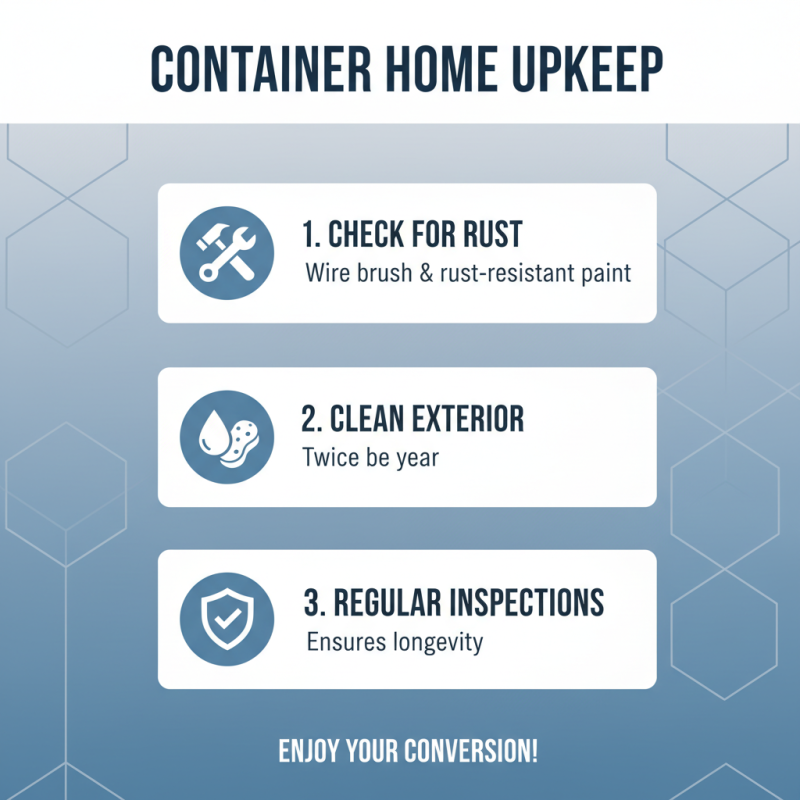
Maintaining a converted container home can be an enjoyable yet challenging task. Regular upkeep is essential for longevity. Check for rust regularly. It’s common in metal structures. Use a wire brush and rust-resistant paint when needed. Clean the exterior at least twice a year. Dirt and grime accumulate quickly in different weather conditions.
Ensure proper insulation inside the container. Insulation helps regulate temperature and reduces energy costs. Consider investing in quality materials. Poor insulation can lead to discomfort and high bills. Check seals around windows and doors. Replacing worn-out seals can reduce drafts significantly.
Regularly inspect plumbing and electrical systems. Keep an eye out for leaks or signs of wear. Fixing small issues early can prevent costly repairs down the line. Remember to clean gutters and drainage areas. Clogged gutters can cause water damage. Maintaining your container home takes effort, but it can lead to a sustainable and affordable living space.