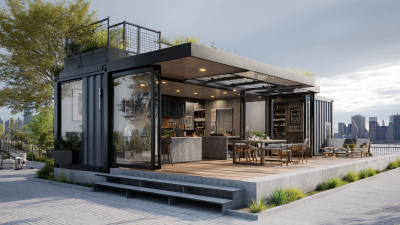
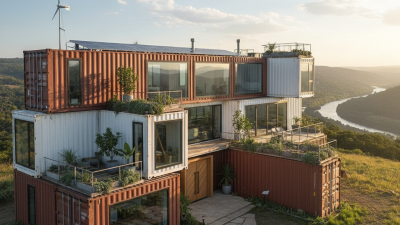
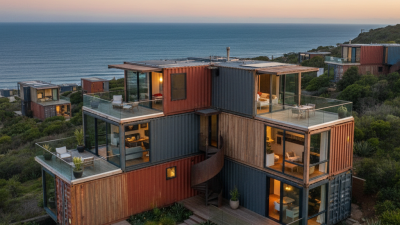
Creating a bedroom container for maximum comfort and style involves a blend of functionality and aesthetics. The term "bedroom container" emphasizes the importance of space-efficient design. Each element should serve a purpose while contributing to the overall ambiance.
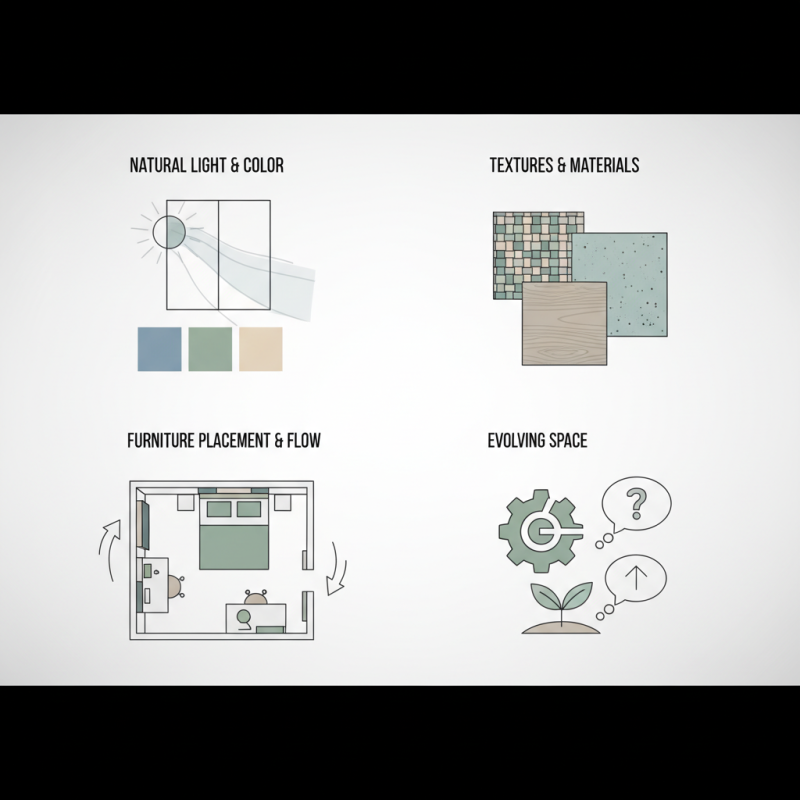
When planning your bedroom container, consider natural light and color schemes. Soft hues can create a soothing environment. Incorporating textures through fabrics and materials adds depth. Pay attention to furniture placement; it should promote flow and accessibility.
However, achieving perfection can be challenging. Some may struggle with balancing beauty and functionality. It's essential to continually reflect on your choices. What works today may not suit your needs tomorrow. Embrace the evolving nature of your space.
Designing a container bedroom can be a delightful process. Container homes provide unique spaces that mix comfort and style. When designing your bedroom, focus on functionality first. Every element should serve a purpose. Use multi-functional furniture to maximize the use of space. For example, choose a bed with storage underneath. This helps to keep the area tidy.
Lighting plays a crucial role in setting the mood. Natural light can make a space feel larger. Large windows or skylights can enhance this effect. Incorporate layered lighting as well. This includes ambient, task, and accent lights. Soft, warm light creates an inviting atmosphere. Remember, the color palette significantly impacts comfort. Soft neutrals or pastel shades make a room feel calm.
Tips: Consider adding plants for a touch of nature. They improve air quality and add life to the room. Additionally, texture can elevate your design. Mix materials like wood, metal, and fabric for visual interest. Don't overlook the potential of personal touches. Art and photos personalize your space, making it feel like home. Assess your design periodically. Reflect on what works and what doesn't. Adapting your space can lead to greater comfort and satisfaction.
| Design Element | Description | Recommended Material | Comfort Level | Style Type |
|---|---|---|---|---|
| Bed Frame | Sturdy structure supporting the mattress and adding aesthetic value. | Wood or Metal | High | Modern |
| Mattress | Provides sleeping comfort and support for the body. | Memory Foam or Latex | Very High | Luxurious |
| Bedding | Includes sheets, pillows, and blankets for warmth and comfort. | Cotton or Bamboo | High | Casual |
| Lighting | Creates ambiance and enhances functionality of the space. | LED or Soft White Bulbs | Moderate | Contemporary |
| Decor | Personalized touches such as artwork, plants, and accessories. | Varied (depends on theme) | Variable | Eclectic |
Choosing the right container for your bedroom space is crucial for both comfort and style. A bedroom container, whether it’s a shipping container or a modular design, requires careful selection to create a harmonious environment. A recent industry report states that proper spatial planning can improve sleep quality by up to 30%. This underscores the importance of deliberate choices in design.
The size and layout of a container can significantly influence your bedroom's mood. For instance, maximizing natural light can enhance the ambiance. In smaller containers, consider using multifunctional furniture to save space. Colors also play a role; soft pastels evoke calmness, while darker shades may inspire coziness. These choices may seem trivial but have a profound effect on your comfort level.
Tips: Opt for containers with good insulation. This is vital for temperature regulation, ensuring a comfortable sleeping environment year-round. Also, incorporate personal elements like art or plants to inject personality into your space. Reflect on what makes you feel grounded. Overly cluttered spaces can reduce relaxation. Investing time to curate your environment may lead to better mental clarity and restful nights.
Designing a container bedroom for comfort and style involves focusing on essential elements. Start with the layout. Ensure enough space for easy movement. Every inch counts in a container. Consider opening up walls for a more spacious feel. Big windows can bring in natural light and enhance the ambiance.
Temperature control is crucial. Insulation helps keep your space cozy during winter. Select the right heating and cooling systems. Enjoying a comfortable temperature is necessary for a good night’s sleep. Don't overlook soundproofing either. Adding materials that absorb noise can create a peaceful retreat.
Tips: Use soft fabrics for bedding. Think about layering with throws and cushions for added comfort. Choose calming colors to promote relaxation. Remember to balance aesthetics with functionality. A well-placed mirror can create an illusion of space. Reflect on your design choices regularly, adjusting them as needed for personal comfort.
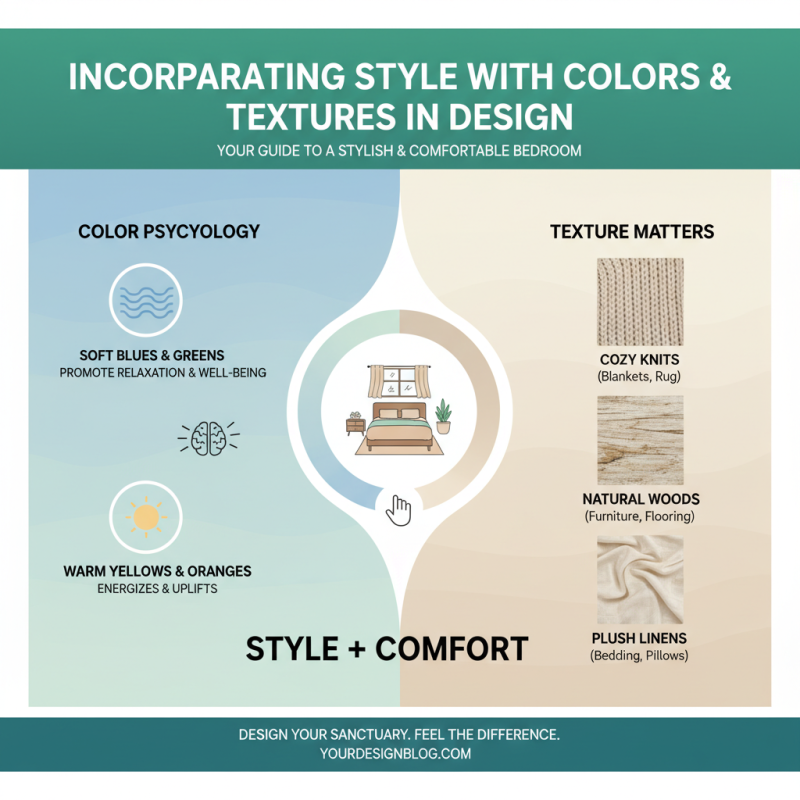
Color and texture play crucial roles in designing a bedroom container that is both stylish and comfortable. Research shows that the right colors can influence moods and well-being. For instance, studies indicate that soft blues and greens can promote relaxation, while warm colors like yellow can energize a space. Integrating these hues into your design can create an inviting atmosphere.
Textures also matter significantly. A mix of materials such as soft linens, plush rugs, and smooth wooden furniture adds depth to the design. According to the Journal of Environmental Psychology, tactile elements can enhance comfort and create a sense of home. Consider layered bedding options with varied textures to elevate your bedroom.
It's essential to remember that while aiming for aesthetic appeal, functionality should not be compromised. Overly patterned designs can feel chaotic. Be mindful when choosing combinations. Balancing style and comfort requires thoughtful contemplation. The goal is to create a tranquil retreat that feels uniquely yours while also being practical for daily living.
Creating a comfortable and stylish bedroom container requires careful attention to space efficiency and functionality, especially in small areas. Start by choosing multifunctional furniture. A bed with built-in storage can save valuable space. Consider foldable desks or wall-mounted shelves. These options maximize floor area while providing essential functionalities.
Lighting also plays a crucial role in small bedrooms. Opt for layered lighting to enhance the ambiance. Use a combination of ambient and task lighting. Warm light can make the space feel inviting. Reflective surfaces, such as mirrors, can help create a sense of spaciousness. However, be cautious not to overcrowd the room with too many elements; simplicity is key.
Incorporate personal touches for style. Artwork or plants can add character and warmth. Yet, avoid excess clutter. It can overwhelm the space and detract from comfort. Regularly evaluate your layout. A small shift in furniture placement can sometimes enhance flow. Stay open to experimenting with different arrangements. Small changes can lead to significant improvements in comfort and overall design.